
Looking for some garden layout ideas for your garden or yard? These ideas will help you make the most of your garden layout.
One of the best things about gardening is the feeling of satisfaction you get when you see the results of your hard work.
Whether you’re growing beautiful flowers or delicious vegetables, there’s nothing quite like enjoying the fruits of your labor.
There are many different ways to arrange your garden, and the layout you choose will depend on your space, your climate, and your personal preferences.
Here are some garden layout ideas to consider when planning your garden.
Symmetrical raised beds
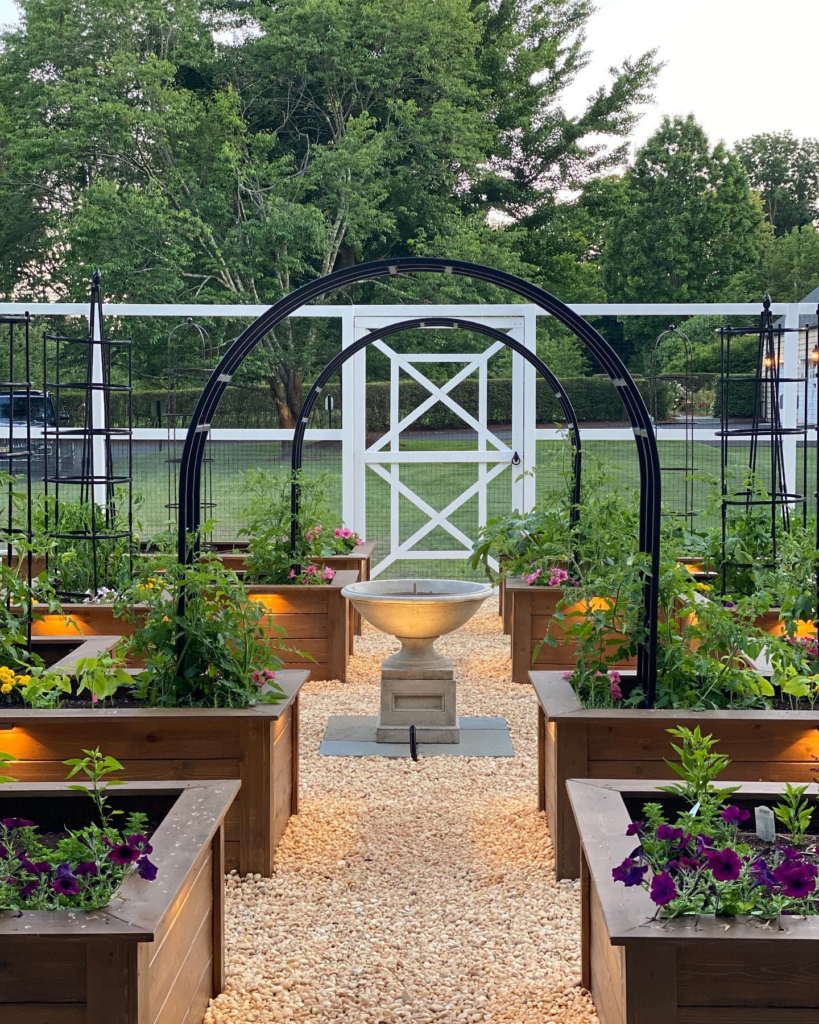
Symmetrical raised beds are a great way to add some order to your garden, and a raised bed layout is a good option if you don’t have the best soil to plant directly in the ground.
This garden has a simple layout with a few raised beds, a fence, and a path.
The beds are filled with a variety of vegetables, and the flowers along the fence add a pop of color to the space.
Gravel pathway grid
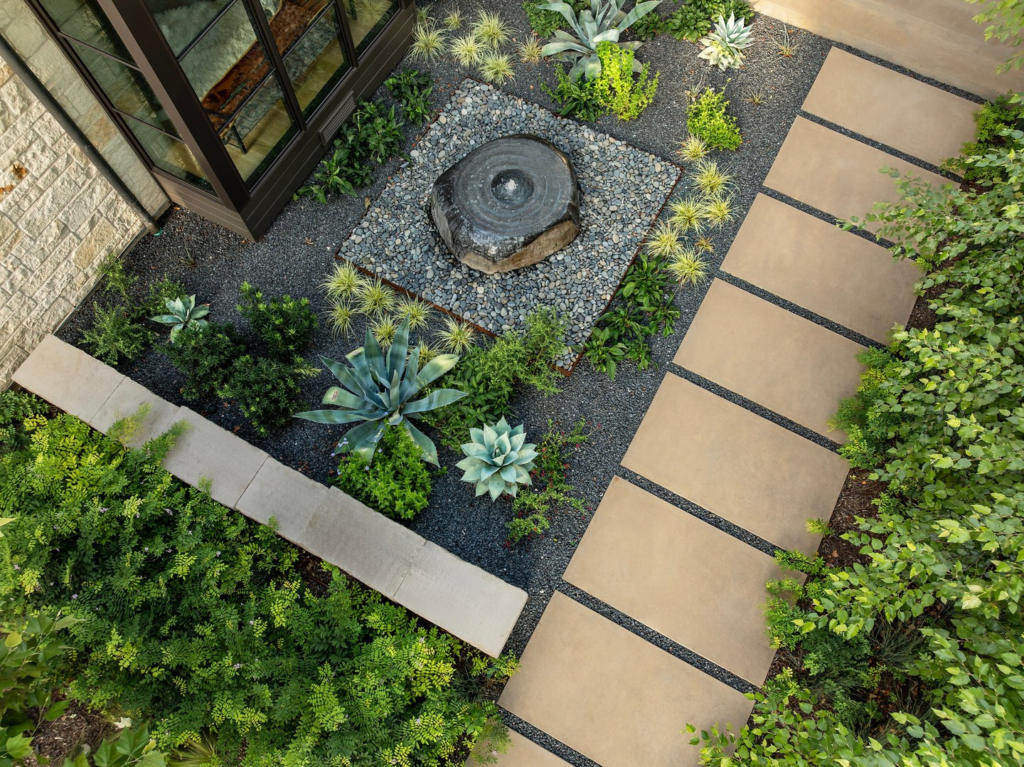
If you’re looking for a simple way to add some structure to your garden, a grid pathway is the way to go.
This garden from A Country Life features a simple grid pathway, but the entire garden is a grid, too. Plants are arranged in even rows and columns, and the result is a very orderly garden.
This is a great layout for a vegetable garden, since you can easily section off different areas for different types of plants.
Circular herb spiral
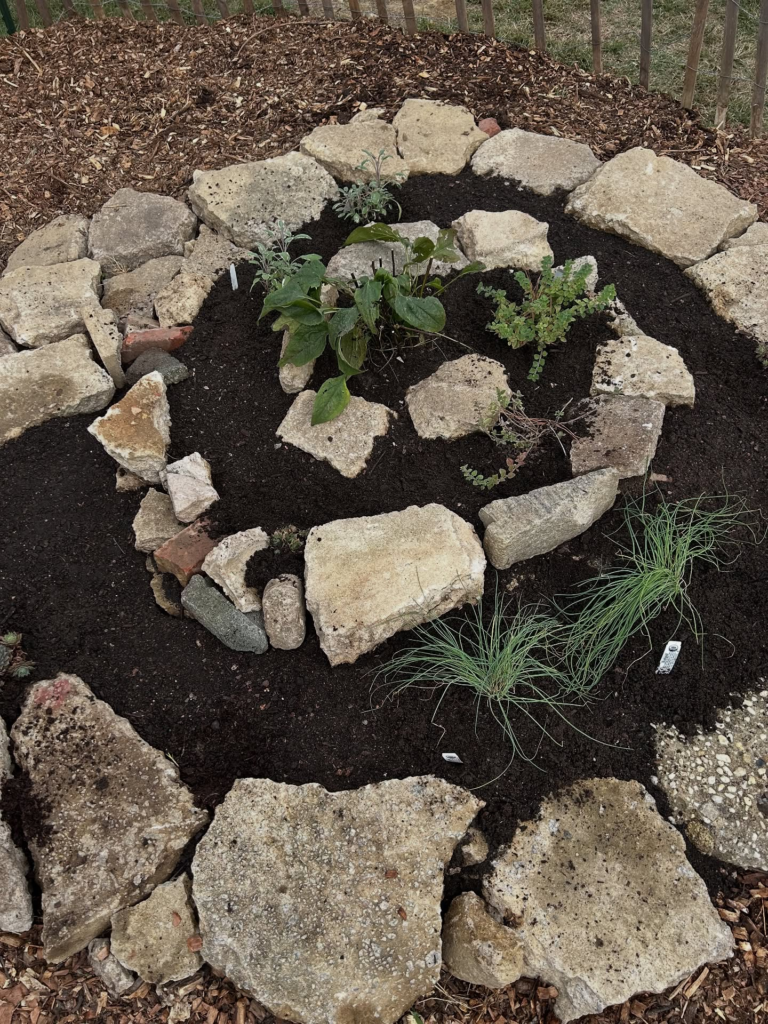
An herb spiral is a gorgeous way to grow herbs, and it’s perfect for small spaces. You can also use this concept with vegetables, as seen in the spiral garden above.
Different herbs and vegetables are planted in different sections of the spiral, and the height of the plants increases as you move up the spiral.
This allows you to grow a variety of plants in a small space and keeps everything organized.
If you’re growing an herb spiral, you’ll want to plant your sun-loving herbs at the top and your shade-loving herbs at the bottom.
Tiered wooden planters
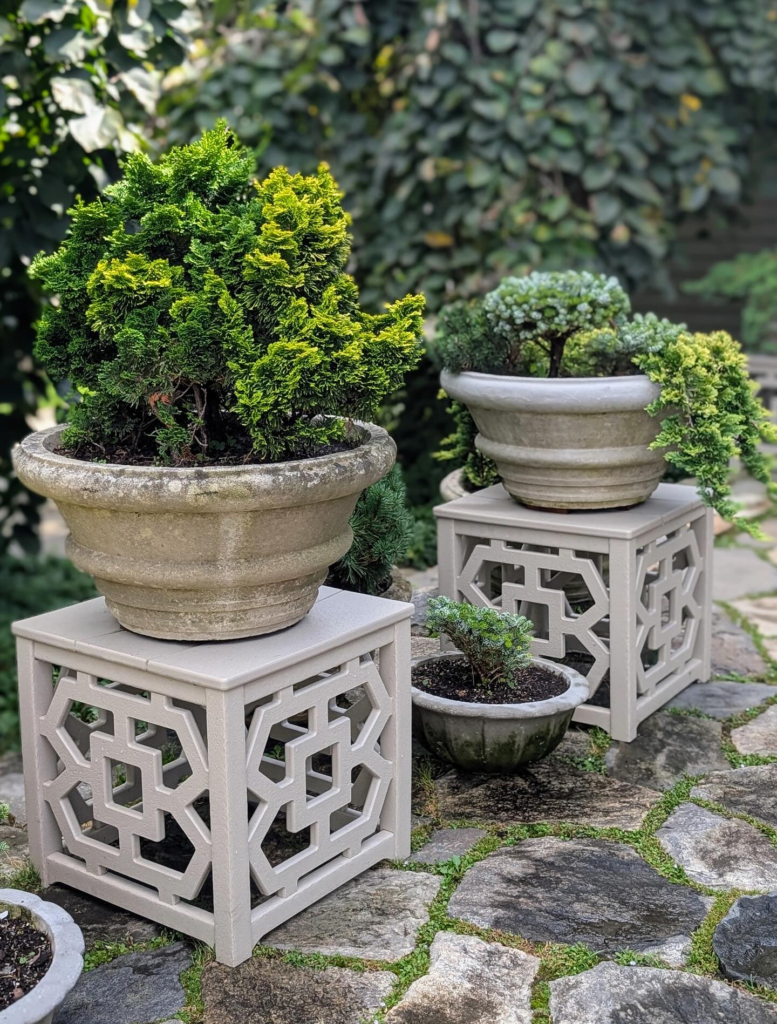
Create a focal point in your garden by building tiered wooden planters and filling them with your favorite fruits, vegetables, and flowers.
This is a great way to add dimension to your space if you’re working with a flat yard.
In this garden, designed by Risinger & Co., the wooden planters are filled with lettuce, strawberries, and other edible greens.
The planters are also surrounded by flowers, making it a beautiful and functional addition to the landscape.
Brick-edged rows
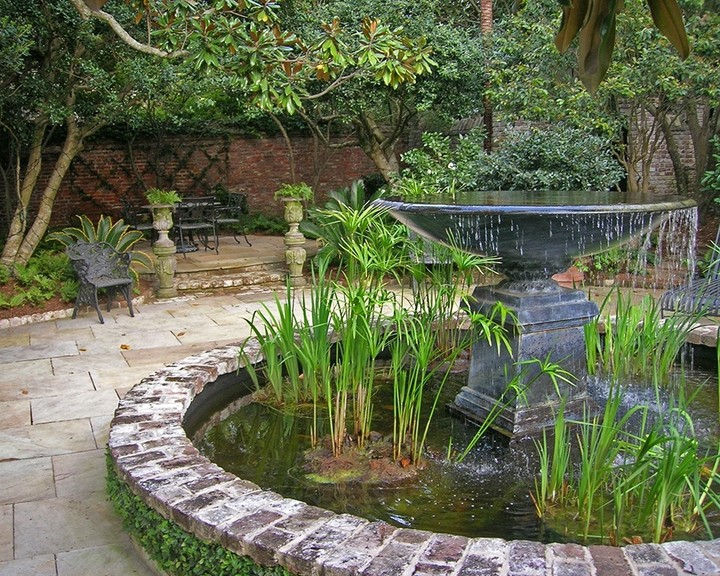
Brick or stone edging can add a touch of elegance to your garden, while also serving as a barrier against grass and weeds.
This kitchen garden layout from Megan at Green with Decor offers a variety of vegetables and herbs.
The neat rows are an example of the traditional, in-ground garden layout.
Vertical trellis wall
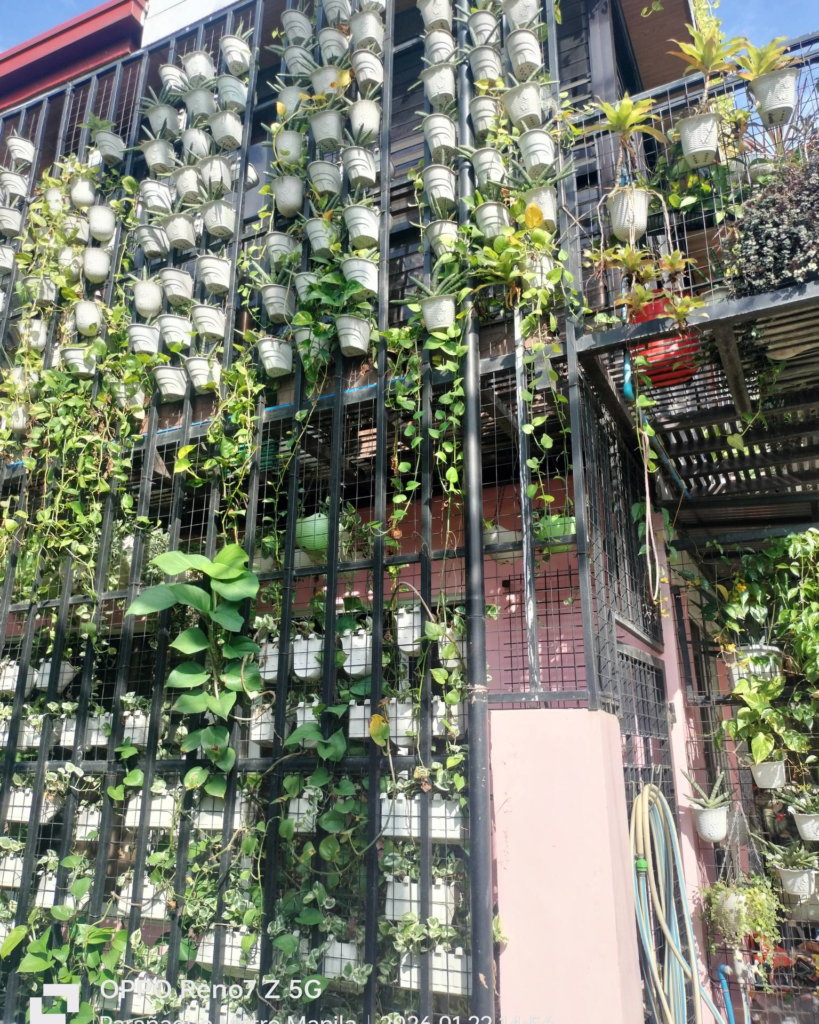
If you’re short on space, a vertical garden is a great way to squeeze in more plants. Use a trellis or build a wall and plant some of your favorite climbers.
This garden designed by Nick McCullough features a trellis wall that’s perfect for growing cucumbers, squash, and even tomatoes.
A vertical garden can also help you control pests and diseases, as well as make harvesting easier.
Companion planting clusters
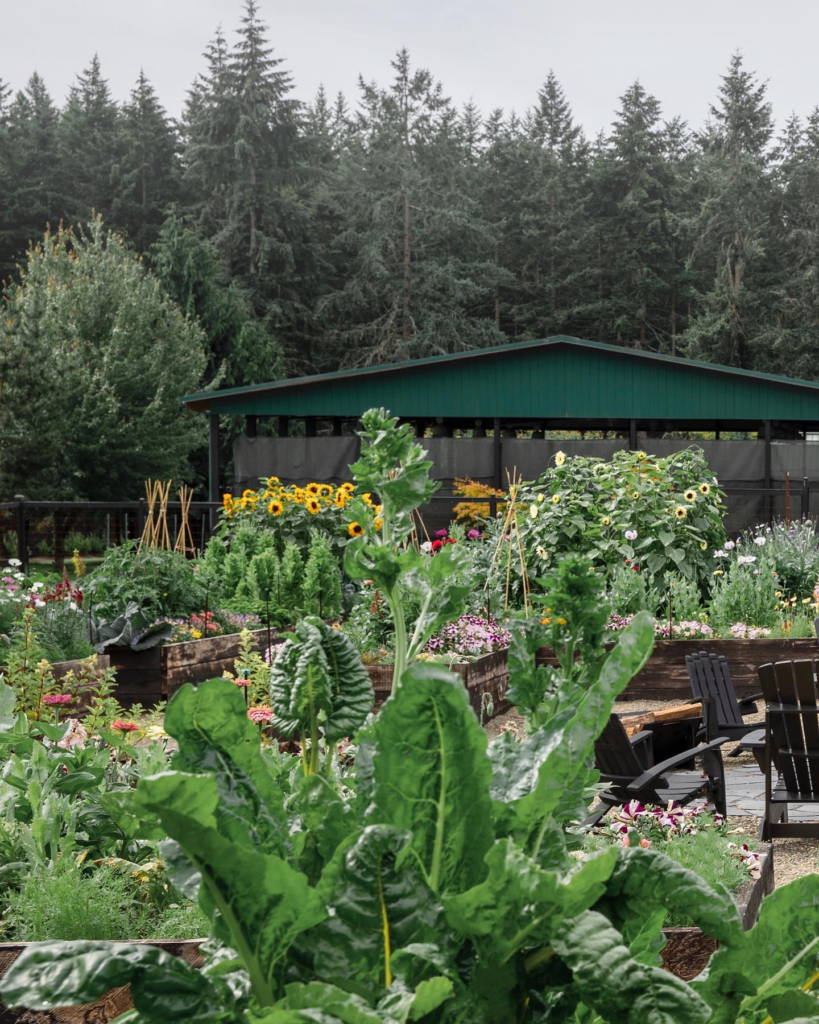
Planting certain crops together can help improve the flavor of the vegetables, reduce disease and insect problems, and save space in the garden. This is called companion planting.
The Three Sisters Garden is a classic example of companion planting. This garden layout features corn, beans, and squash. The corn grows tall and provides a structure for the beans to climb.
The squash grows along the ground and acts as a living mulch, shading out weeds and keeping the soil cool and moist.
In this example, you can see how the garden is filled with different types of companion planting clusters.
Try planting a variety of flowers, herbs, and vegetables together to create your own beautiful and bountiful garden.
Central stone walkway
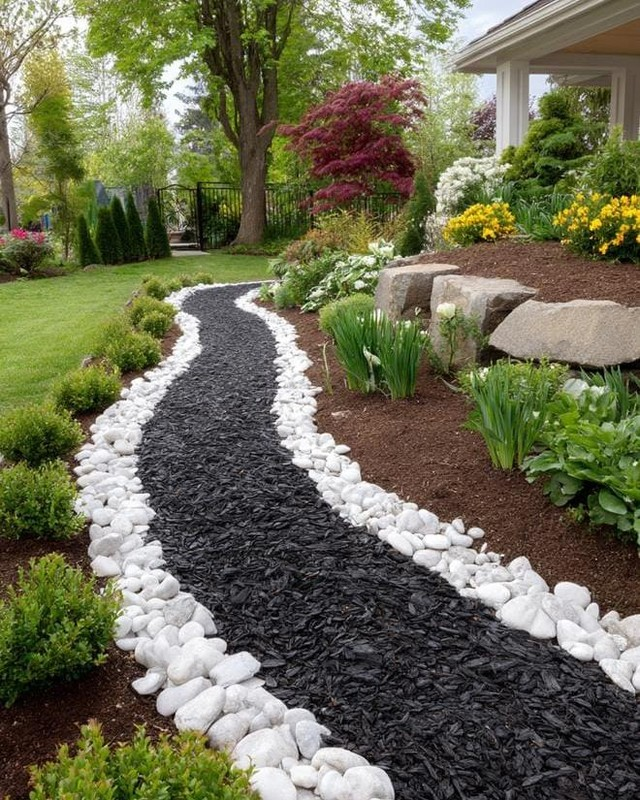
If you’re planting a large garden, having a walkway in the center of the garden can make it easier to access all of your plants.
This walkway is made of stones, but you could use brick, concrete, or pavers to create a walkway that suits your style.
The walkway in this garden also creates a divide between the two sides, so if you want to keep certain plants separate, you could do the same.
Corner greenhouse nook
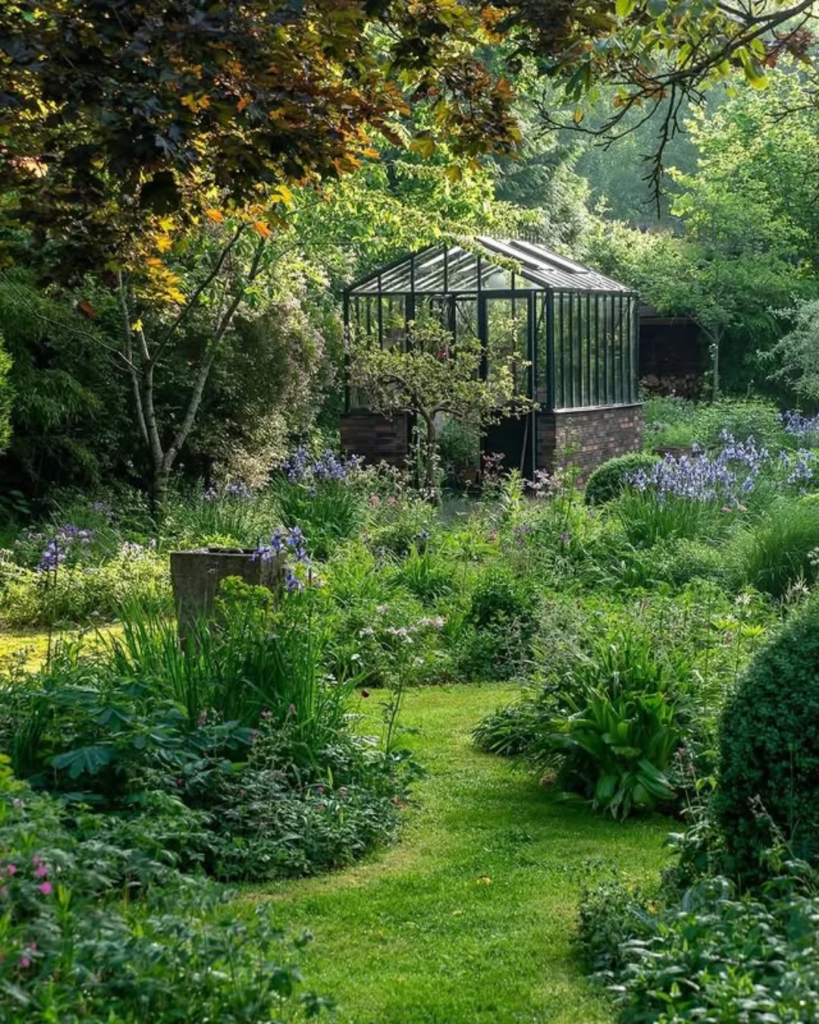
An L-shaped greenhouse is a perfect way to fill an empty corner of your garden. Here, it’s used to create a cozy nook that’s perfect for growing vegetables.
This greenhouse has a raised bed inside to make planting and harvesting easier.
The greenhouse itself is great for starting seeds, extending the growing season, and protecting plants from pests.
Mixed flower borders
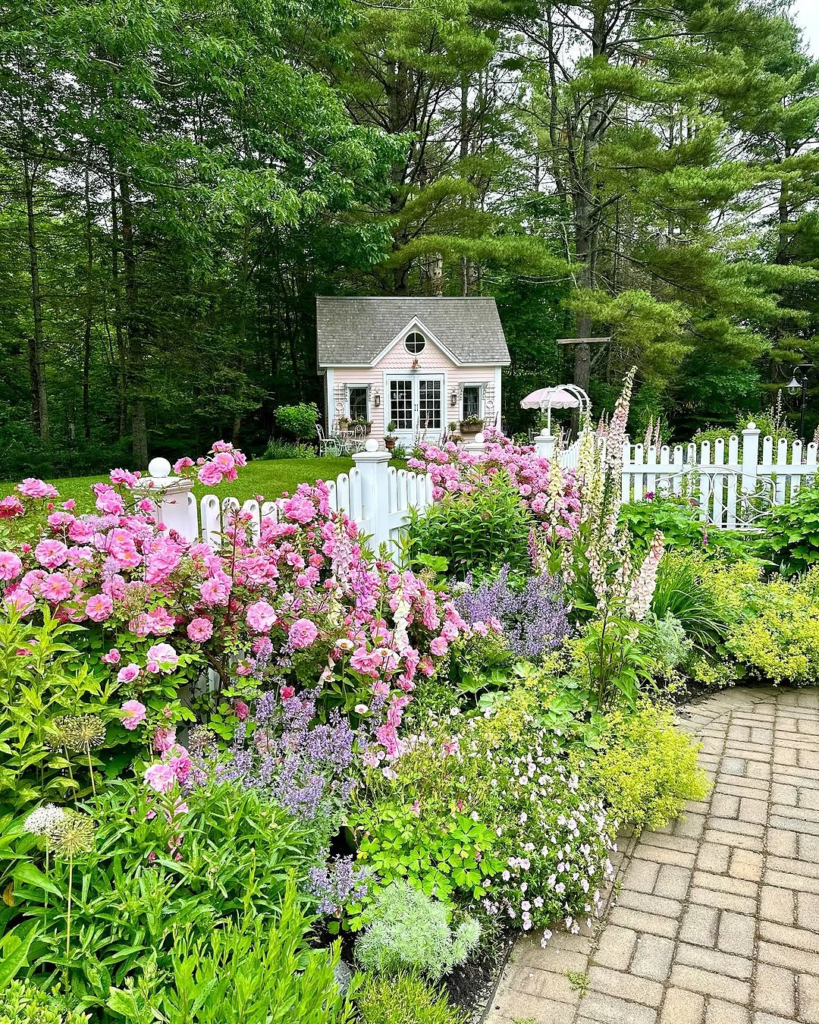
You can also include a variety of flowers in your vegetable garden to help boost the beauty and productivity of your space.
Flowers can help to attract pollinators to your garden, and some flowers can even help to deter pests from your vegetables.
You can plant flowers along the border of your entire garden, or you can create a series of flower borders throughout your garden space. You can also include flowers in a more mixed arrangement with your vegetables.
Narrow side beds
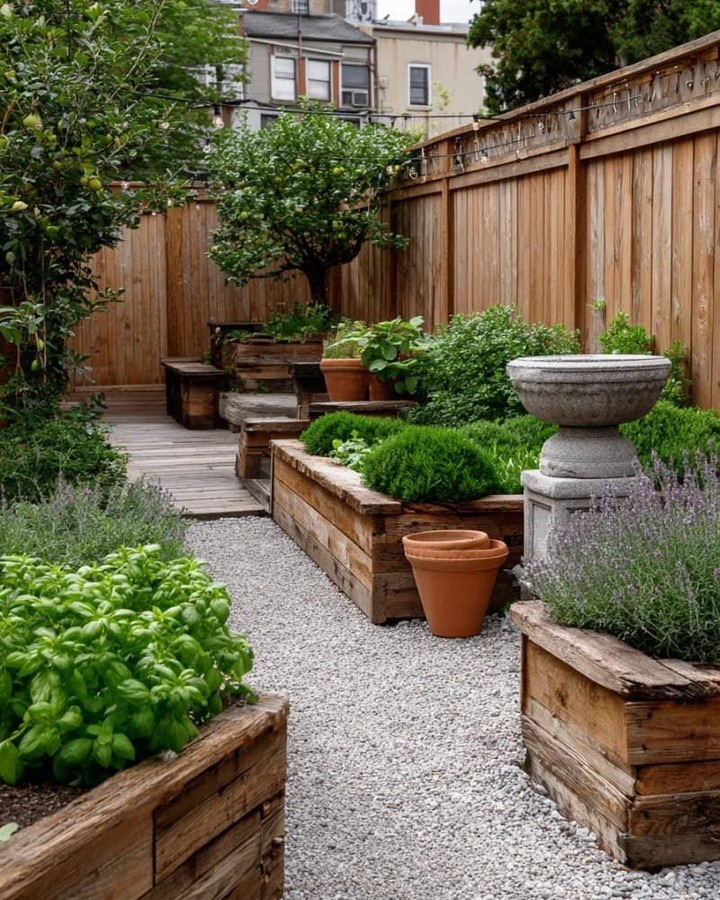
If you have a limited amount of space, you can still have a garden. Even if you have a large yard, this layout idea is a great way to use a side yard, or a narrow space between your house and a fence.
Use a narrow bed to grow a variety of vegetables or flowers. If you have enough room, you can even add a small path or stepping stones to make it easier to access the plants in the middle.
Keyhole garden layout
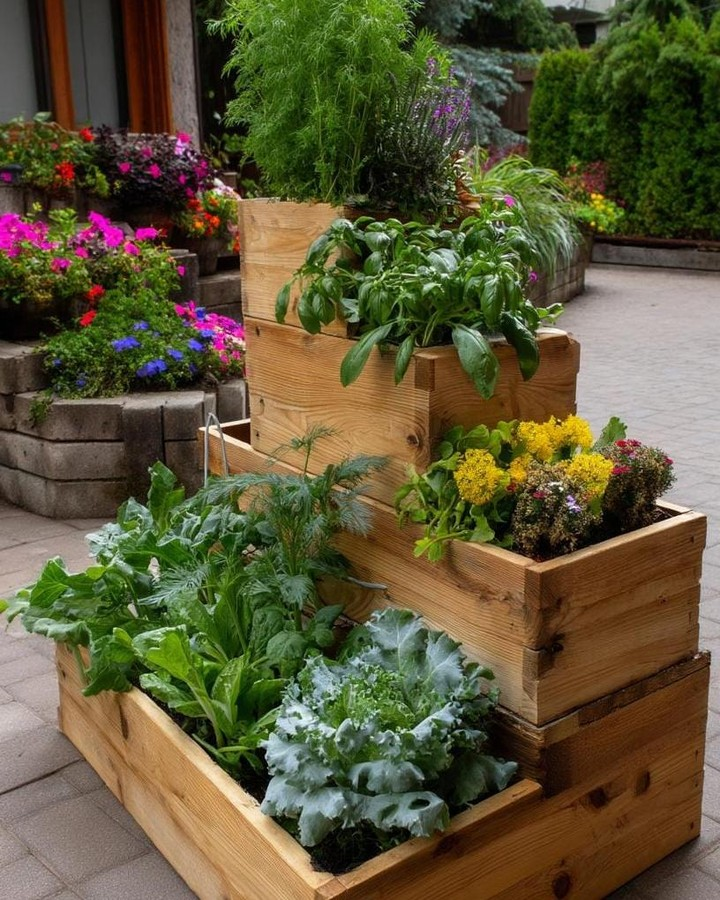
Keyhole gardens are round and have a wedge-shaped path that allows gardeners to reach the center of the garden without stepping on the soil. The center of the garden is a compost pile that feeds the plants.
This type of garden is especially popular in areas that have poor soil quality or are experiencing drought, as the compost can help improve the soil and retain moisture. It’s also a great way to recycle kitchen scraps.
Pergola shaded beds
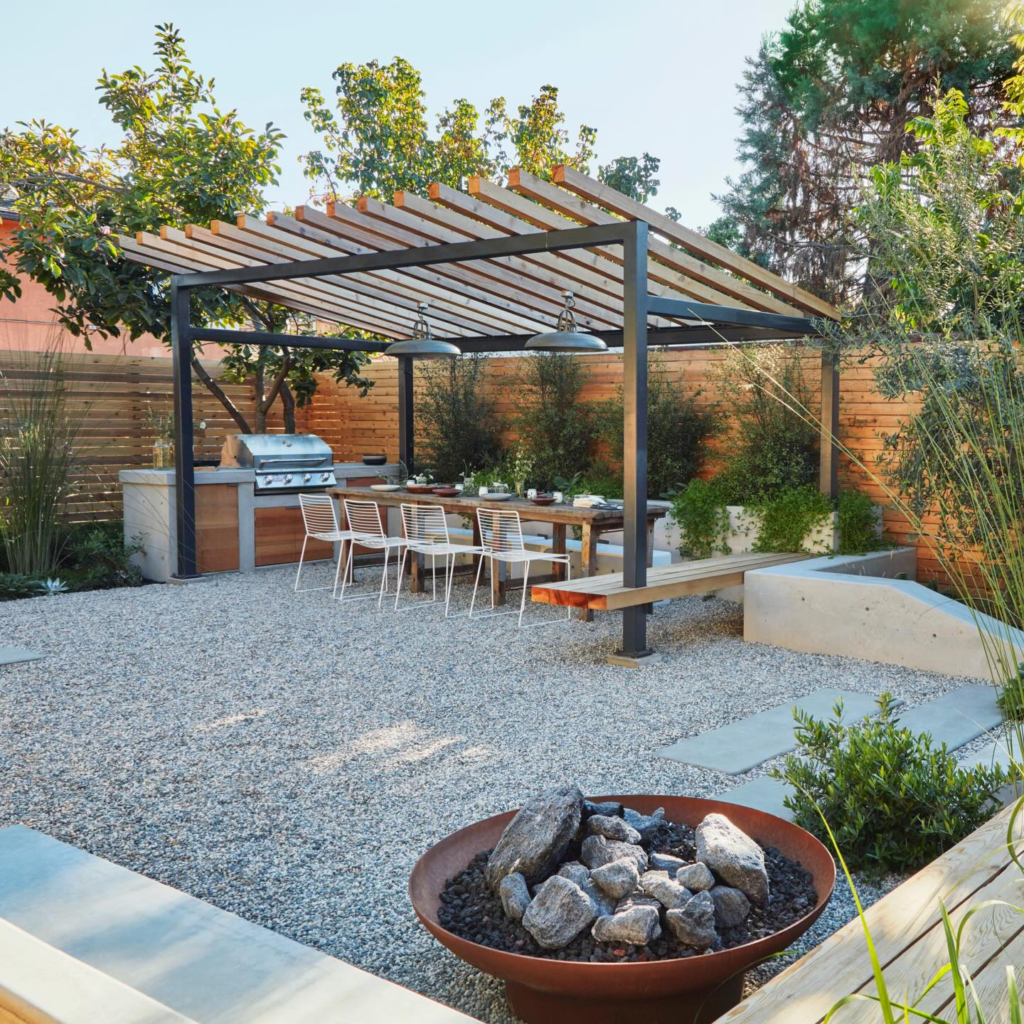
In this garden design by Adam Robinson, the pergola provides a shaded spot for a bench and a table, and chairs, while the beds are filled with vegetables and flowers.
The pergola is covered with a combination of wisteria and white roses, which not only look beautiful but also provide a lovely scent.
The raised beds are made with corten steel, which will last a long time and looks modern, and are filled with a variety of vegetables and flowers. The flowers are not only beautiful, but they also help attract pollinators.
Container grouping zone
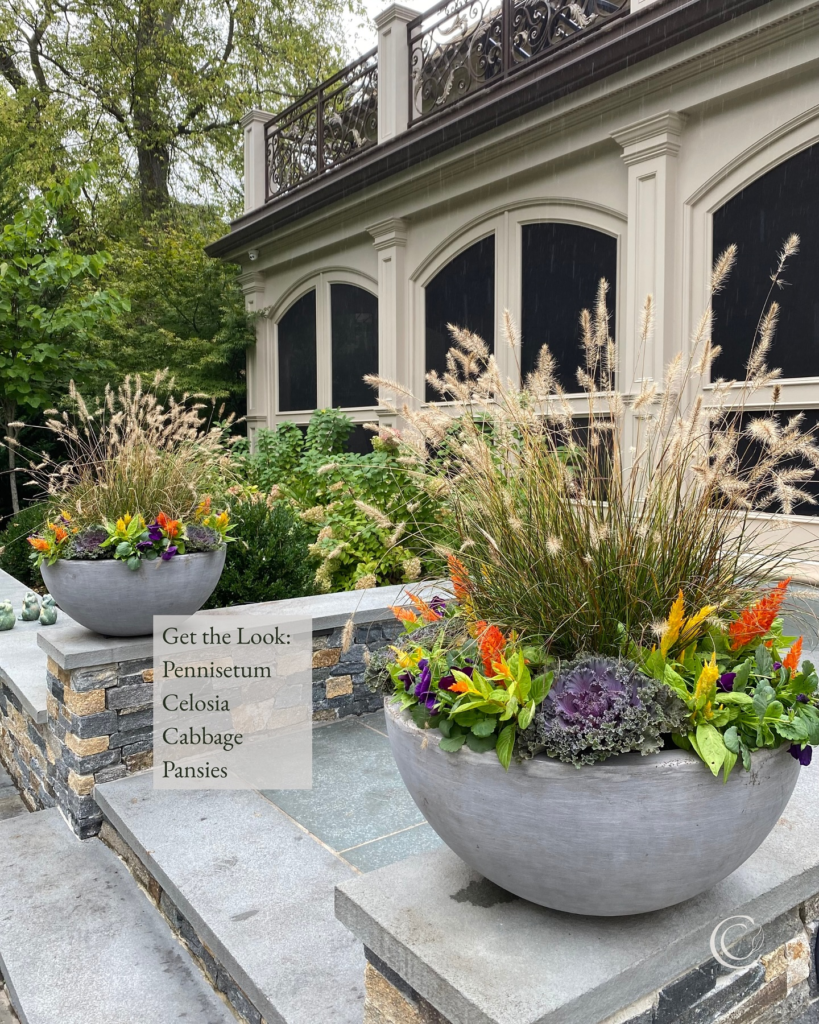
No matter what you plant, some things just need to be near each other. For example, you’ll want all your herbs in one place, and your leafy greens in another.
This is a great way to make the most of a small space. If you have a small patio, you can place all your pots in a corner to make room for seating or a table.
Or, if you have a small yard, you can place all your pots in one garden bed to create a more cohesive look.
Diagonal planting rows
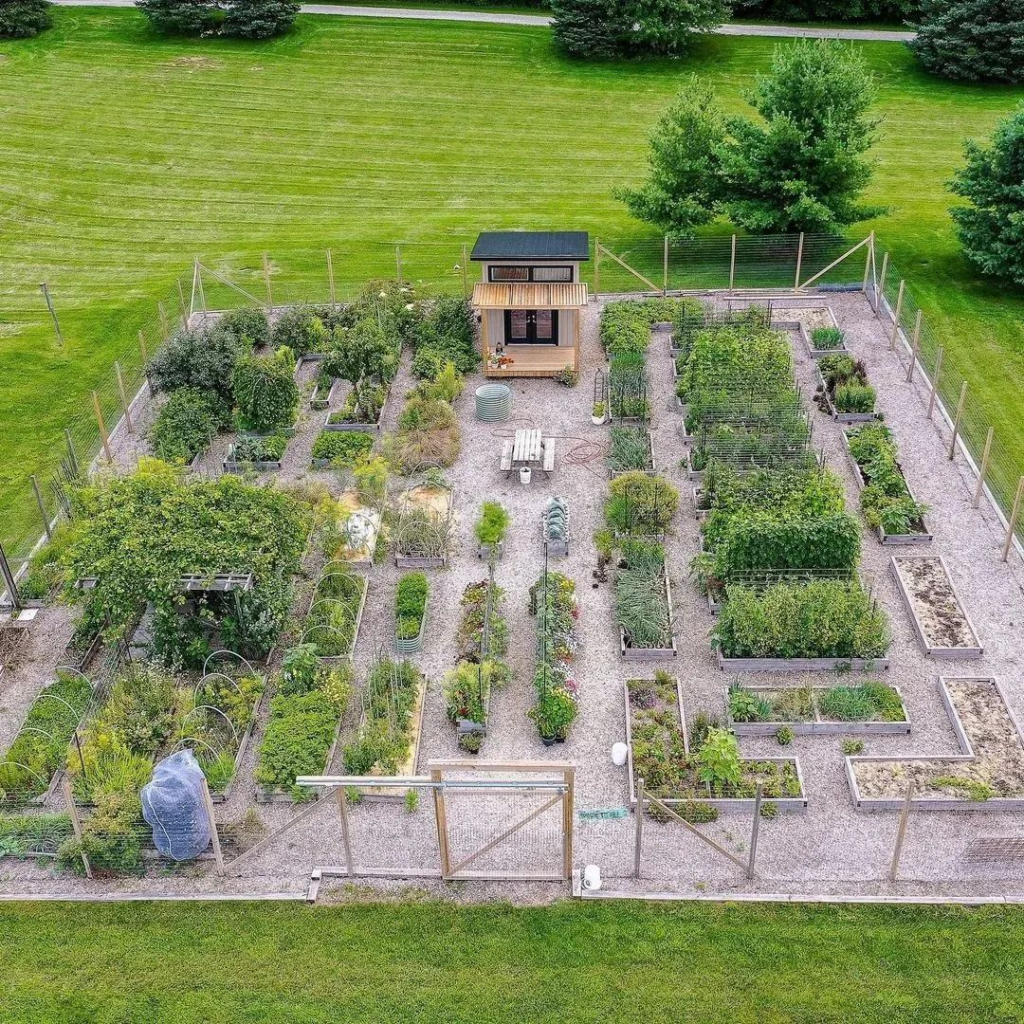
Planting in rows is the most space-efficient way to organize your plants, but the traditional approach is to plant in straight rows.
This grid garden layout is a slight variation on the traditional straight rows and it can help you fit more plants in your garden.
You’ll use the same method for planting in rows, but you’ll simply lay out your rows diagonally across your garden plot.
This allows you to plant more crops in your garden and it can also help to prevent soil compaction.
Fence-lined vegetables
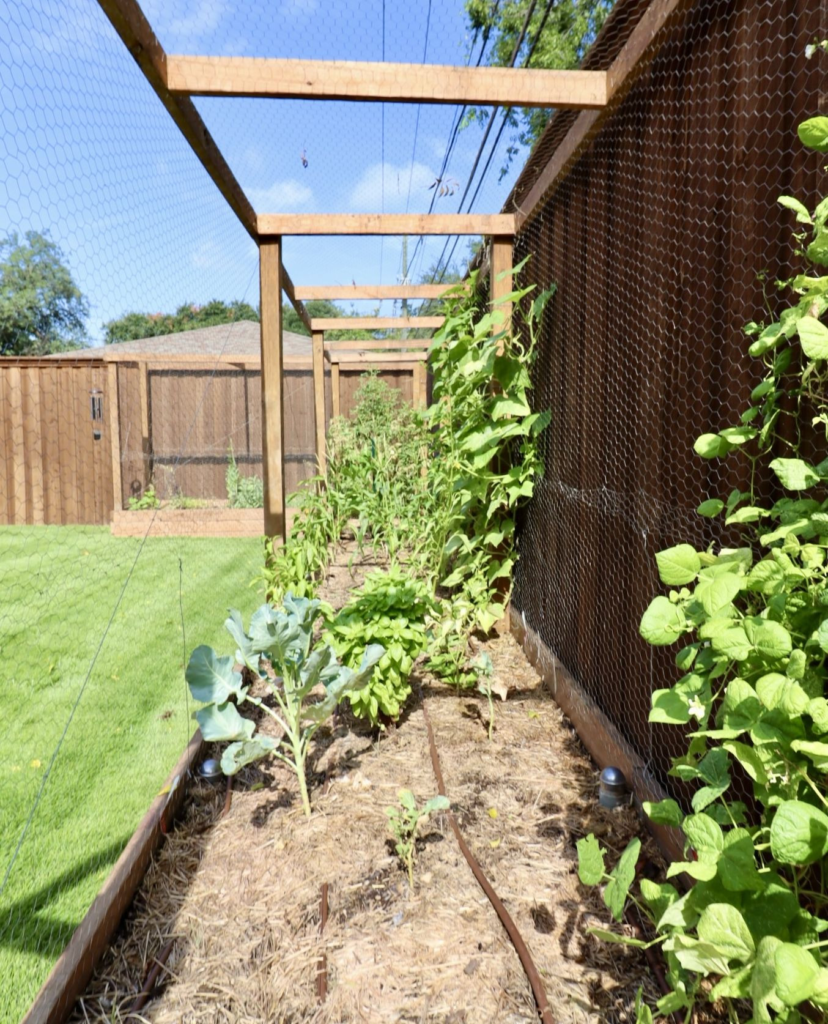
If you have a fence, consider planting vegetables right along it. This can be a great way to use the space you have and keep the garden organized.
You can also use the fence to support vining and climbing plants.
Just be sure to think about how much sun your garden gets and where you place your vegetables. Most vegetables need at least six hours of sunlight a day.
Sunken garden beds
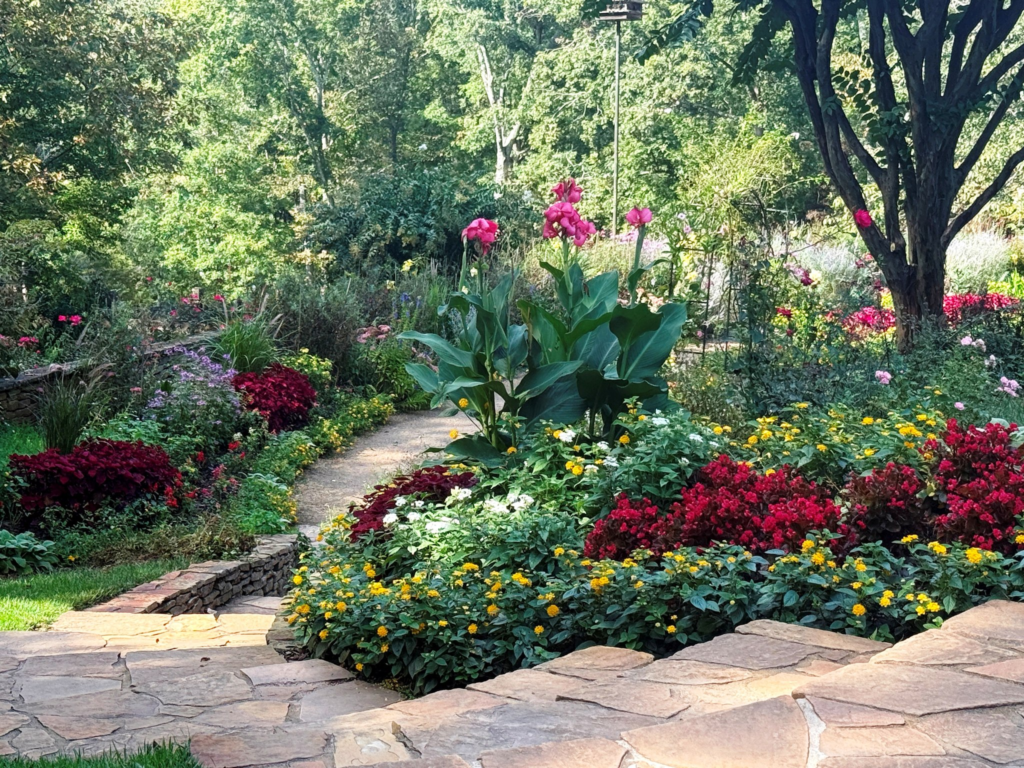
If you live in an area with high winds or you’re looking for a way to prevent erosion in your garden, consider creating raised beds that are level with the ground.
These sunken beds are built into the ground, but the soil is mounded to create a raised bed. The soil is held in place by a wooden frame.
This design is also a great way to keep your garden looking tidy if you have uneven ground.
Orchard style spacing
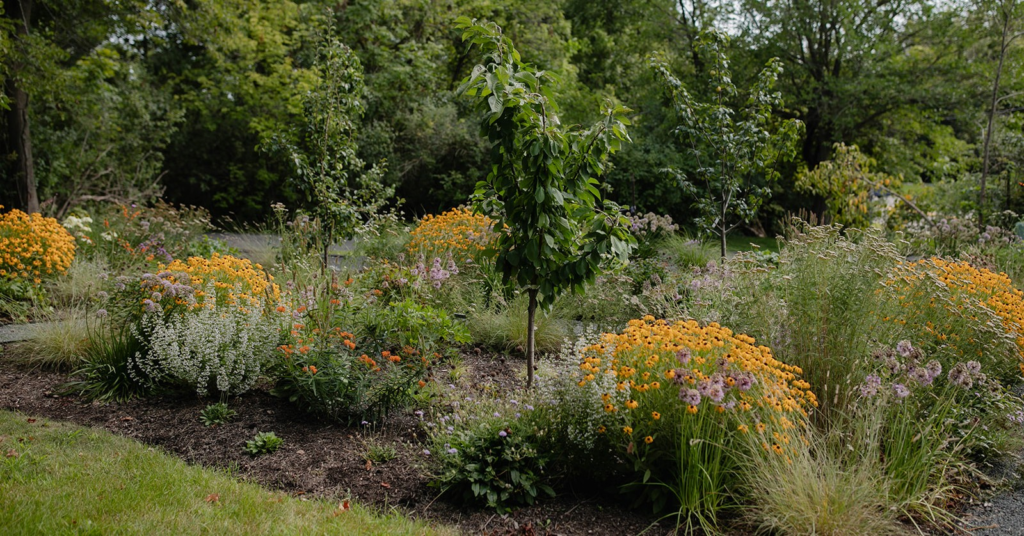
If you’ve got a lot of space to work with, you can space out your plants as if they were growing in an orchard.
This method is also called the “broadcast” method, and is great for plants like lettuce and other greens that you will be continuously harvesting throughout the season.
You can also use this method for root vegetables like carrots and beets, but you will need to make sure you have enough space to get a good yield from the plants.
Winding mulch paths
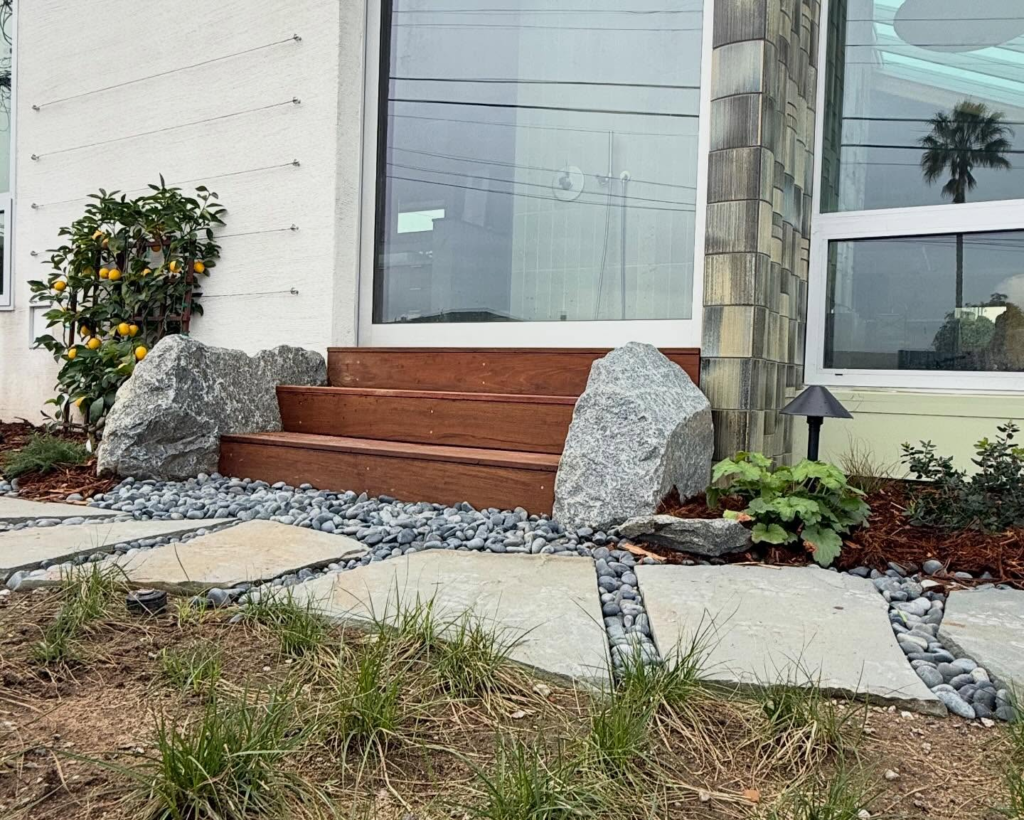
Mulch is a must-have in the garden, but you don’t have to stick to straight lines.
The winding paths in this garden, designed by Emily Murphy of Pass the Pistil, are lined with straw mulch and add a sense of whimsy to the space.
Plus, the curved edges of the beds allow for easier access when it comes time to harvest.
Square foot layout
source
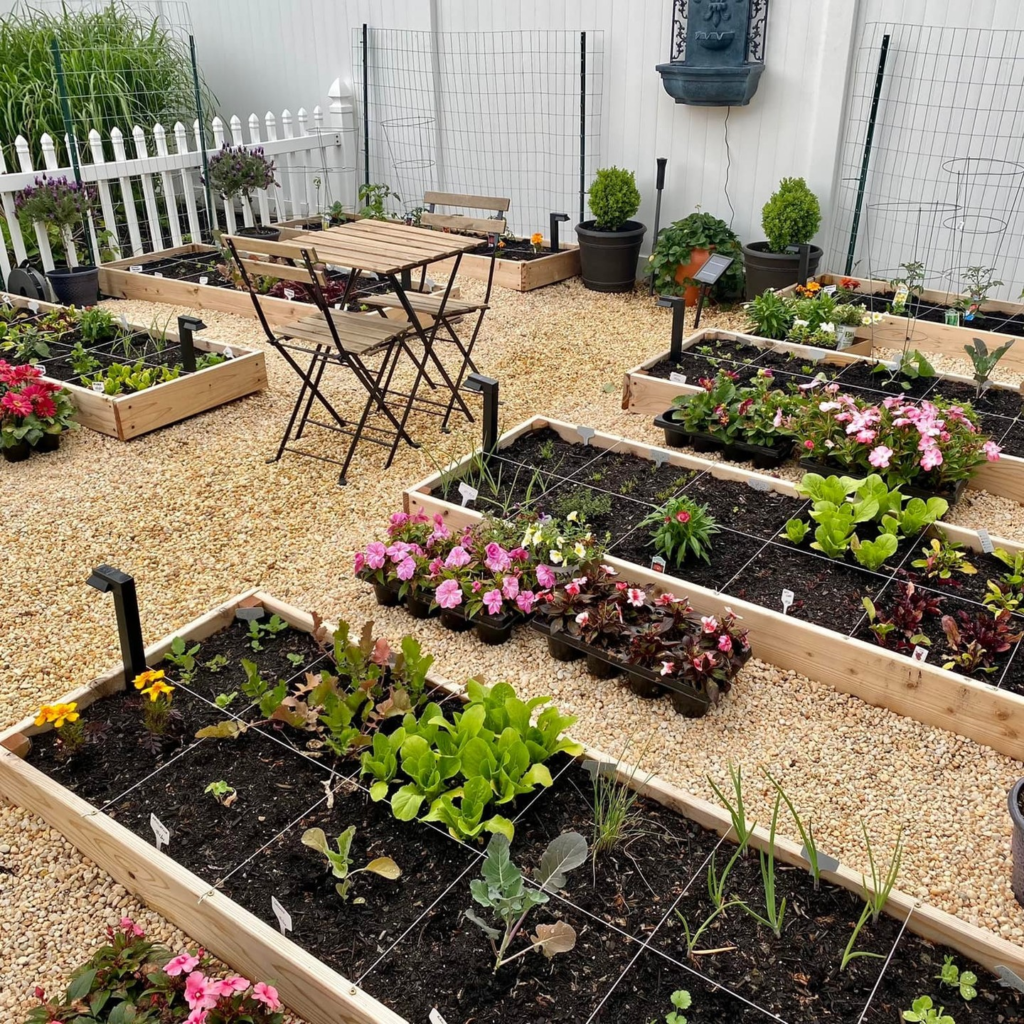
If you’re looking for a simple way to start your first garden, try a square foot garden.
This method, popularized by Mel Bartholomew, divides the garden into square-foot sections to help you plan your garden space and the amount of plants you can grow.
This garden layout is a great example of how to make the most of a small space. This 4×4 plot includes easy-to-grow vegetables like lettuce, spinach, carrots, and marigolds.
Rustic wooden borders
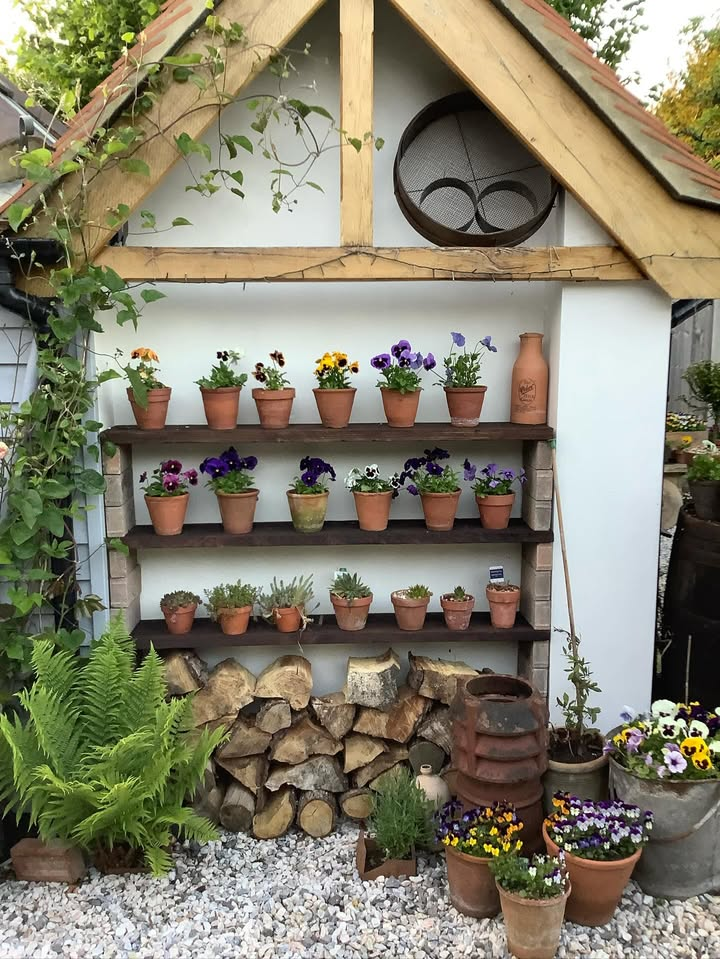
The rustic wooden borders in this garden are a great way to keep the garden organized and contained. The borders are made from small, uncut logs, and the garden is divided into small sections.
The garden is surrounded by a fence to keep critters out, and the small sections make it easy to add new plants and move things around.
Mixed height layering
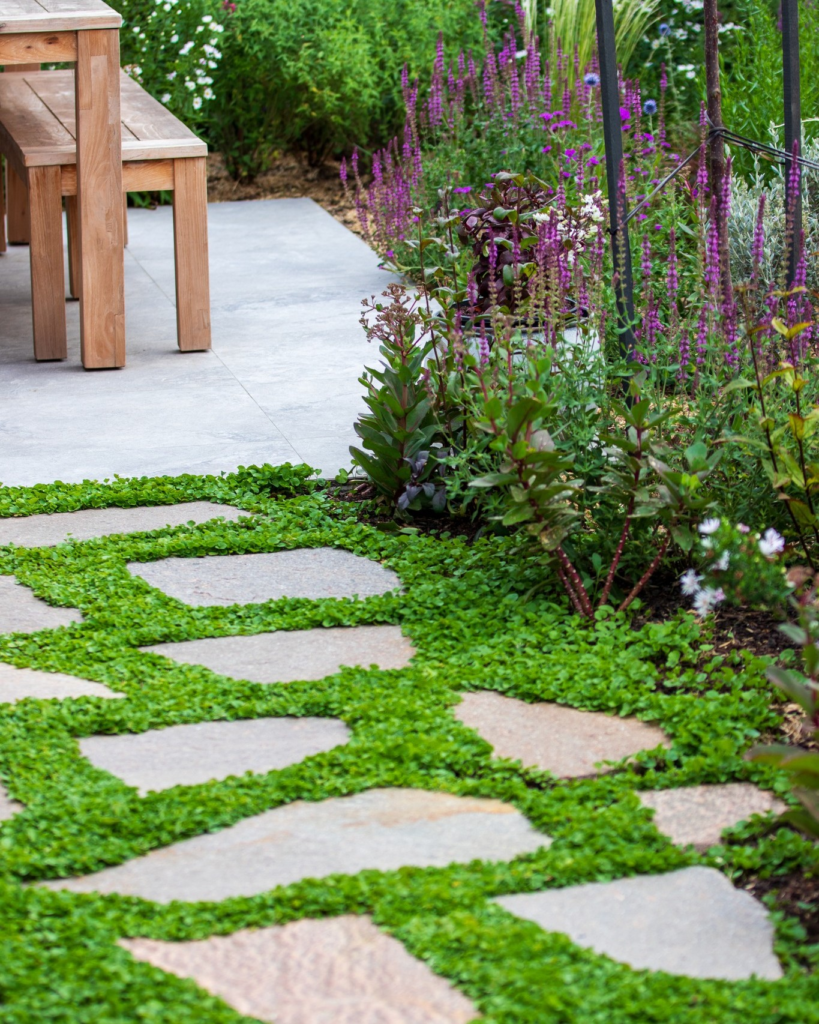
This garden by Urban Garden Casual has a mix of tall and short plants. The taller plants are in the center of the garden and the shorter plants are around the edges.
This is a good way to make sure the taller plants don’t block the sunlight from the shorter plants.
Bench centered garden
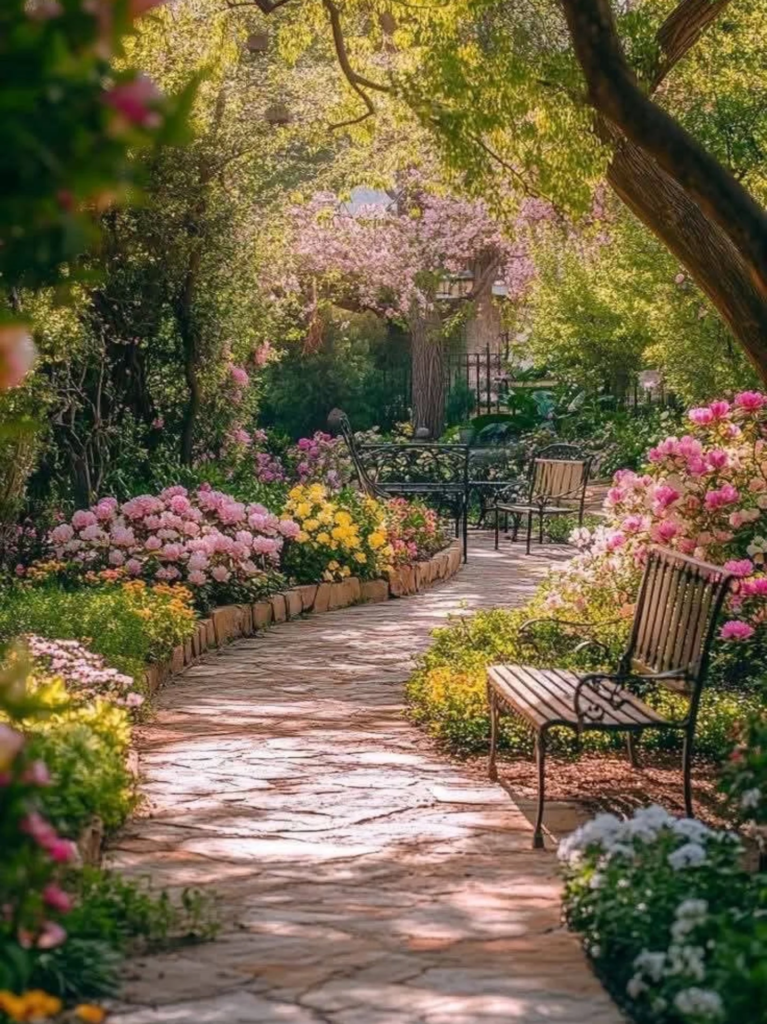
If you are looking for a focal point in your garden, consider a bench. This can be a place to sit and relax, or simply a way to draw attention to a specific spot in your garden.
In this garden, the bench is surrounded by flowers. The flowers are then surrounded by a short fence. This serves as a border for the garden and helps keep the flowers contained.
You could do this with vegetables as well. A small fence or border could be used to contain a group of vegetables, or to simply give the garden a finished look.
Conclusion
In conclusion, designing a garden layout can significantly enhance both functionality and aesthetics, whether you’re growing vegetables, herbs, or flowers.
By exploring various techniques such as companion planting, tiered planters, and vertical gardens you can optimize space and improve plant health.
Incorporating elements like winding mulch paths or rustic borders adds charm while maintaining organization.
Moreover, utilizing structures like pergolas or greenhouses can extend your gardening season and increase productivity.
Remember, your garden should reflect your personal style and meet your needs, so don’t hesitate to mix and match ideas to create the perfect outdoor sanctuary. Happy gardening!




Leave a Reply